
What Makes Ductile Iron Casting the Preferred Choice for Industrial Components
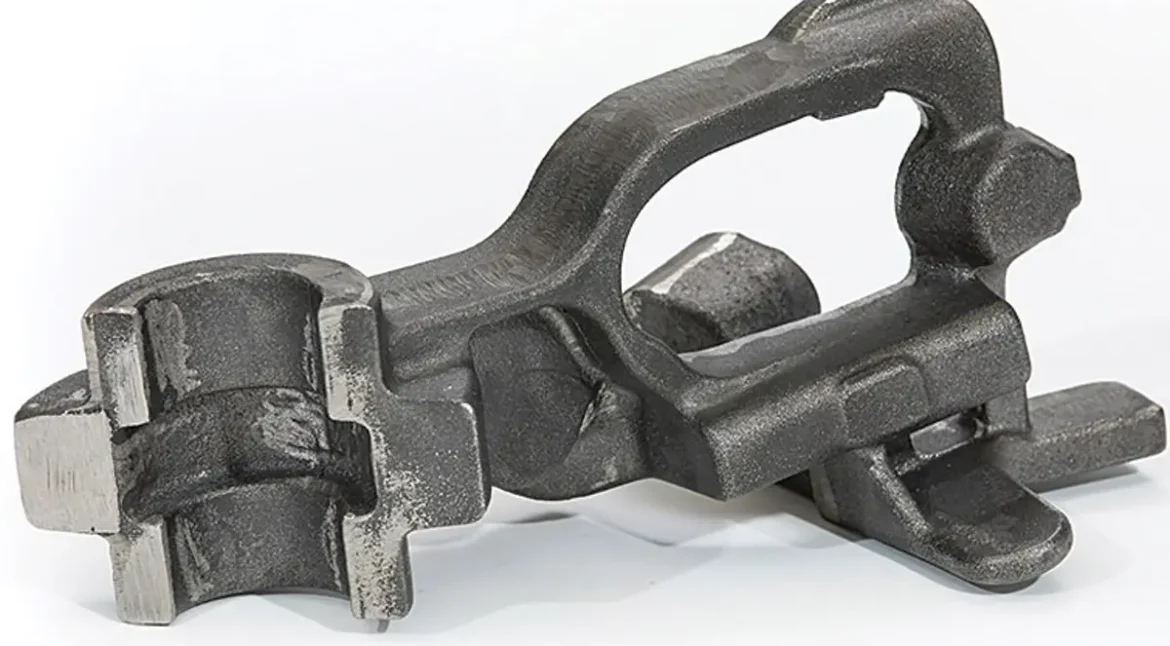
Ductile iron casting has become one of the most trusted manufacturing processes for producing strong, durable, and cost-effective metal components. Its unique combination of strength, toughness, and machinability makes it suitable for demanding industrial applications where reliability is essential.
From automotive systems and water infrastructure to heavy machinery and construction equipment, ductile iron castings deliver long service life while maintaining excellent mechanical performance. This balance of durability and affordability has made ductile iron one of the most widely used engineering materials across multiple industries.
What Is Ductile Iron?
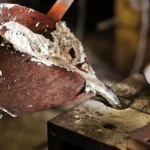
Ductile iron, also known as nodular cast iron or spheroidal graphite iron, is a type of cast iron that contains graphite in the form of small spherical nodules. During the manufacturing process, magnesium is added to molten iron, transforming the graphite structure and significantly improving the material’s mechanical properties.
Unlike traditional gray iron, ductile iron offers greater impact resistance, higher tensile strength, and improved ductility, making it suitable for components that experience heavy loads or repeated stress.
Key Characteristics of Ductile Iron Casting
High Strength and Durability
Ductile iron provides excellent tensile strength and wear resistance, allowing components to withstand demanding operating conditions. Its durability helps reduce maintenance requirements and extends the service life of critical industrial parts.
Excellent Toughness
The spherical graphite structure enables ductile iron to absorb impact and mechanical stress without cracking easily. This makes it ideal for applications where shock resistance is important.
Superior Ductility
As its name suggests, ductile iron offers greater flexibility compared to conventional cast iron. It can tolerate deformation under load without sudden failure, making it suitable for dynamic applications.
Good Machinability
Ductile iron machines efficiently, allowing manufacturers to achieve tight tolerances and high-quality surface finishes while reducing production costs.
Corrosion and Wear Resistance
Many ductile iron grades provide good resistance to corrosion and abrasion, making them suitable for water systems, industrial equipment, and outdoor applications.
Applications of Ductile Iron Casting
Automotive Industry
The automotive industry relies heavily on ductile iron castings for components that require strength, fatigue resistance, and dimensional stability.
Common applications include:
- Crankshafts
- Engine components
- Suspension parts
- Differential housings
- Steering components
- Brake system parts
Water and Infrastructure
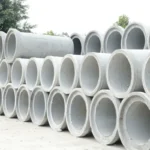
Ductile iron has become the preferred material for municipal infrastructure because of its long service life and corrosion resistance.
Typical applications include:
- Water distribution pipes
- Sewer pipelines
- Valves
- Pipe fittings
- Manhole covers
- Drainage systems
Industrial Machinery
Heavy-duty machinery requires components capable of handling continuous loads and harsh operating conditions. Ductile iron casting provides the reliability needed for industrial equipment.
Examples include:
- Gear housings
- Pump bodies
- Pulleys
- Flywheels
- Compressor components
- Machine frames
Agriculture Equipment
Agricultural machinery operates in abrasive environments where durability is essential. Ductile iron castings are commonly used in:
- Tractor components
- Gearboxes
- Hydraulic housings
- Plow parts
- Harvesting equipment
Construction Equipment
Construction machinery depends on ductile iron components for strength and wear resistance.
Applications include:
- Excavator components
- Loader parts
- Hydraulic equipment
- Structural castings
Benefits of Choosing Ductile Iron Casting
Manufacturers across industries choose ductile iron because it offers:
- High strength-to-weight ratio
- Excellent fatigue resistance
- Long operational life
- Cost-effective production
- Good machinability
- Reliable performance under heavy loads
- Excellent wear and impact resistance
- Wide range of available material grades
These advantages make ductile iron an ideal material for both standard and custom-engineered components.
Why Quality Manufacturing Matters
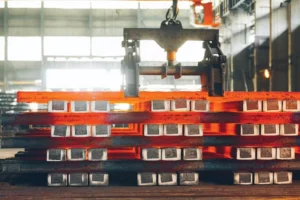
The performance of a ductile iron casting depends not only on the material itself but also on the quality of the manufacturing process. Proper melting, chemical composition control, molding techniques, and quality inspections ensure consistent mechanical properties and dimensional accuracy.
Working with an experienced casting manufacturer helps ensure that every component meets industry specifications and performs reliably in real-world applications.
Conclusion
Ductile iron casting continues to be one of the most versatile and dependable manufacturing solutions for modern industries. Its combination of strength, toughness, flexibility, and cost efficiency makes it suitable for automotive, infrastructure, agriculture, construction, and industrial machinery applications.
Whether producing standard parts or custom-engineered components, ductile iron casting offers dependable performance, long service life, and excellent value for a wide range of engineering requirements.
Frequently Asked Questions (FAQs)
What is ductile iron casting?
Ductile iron casting is a manufacturing process used to produce metal components from ductile iron, a material known for its high strength, toughness, and flexibility. Magnesium is added during production to create spherical graphite nodules that improve the material’s mechanical properties.
What are the advantages of ductile iron over gray iron?
Ductile iron offers higher tensile strength, better impact resistance, greater ductility, improved fatigue performance, and longer service life compared to gray iron.
Where is ductile iron casting commonly used?
Ductile iron castings are widely used in automotive components, water pipelines, valves, pumps, industrial machinery, agricultural equipment, construction machinery, and municipal infrastructure.
Is ductile iron suitable for heavy-duty applications?
Yes. Ductile iron is specifically designed for applications involving heavy loads, repeated stress, and impact, making it ideal for industrial and engineering environments.
Is ductile iron resistant to corrosion?
Ductile iron provides good corrosion resistance, especially when combined with protective coatings or appropriate surface treatments for specific environments.
Can ductile iron castings be customized?
Yes. Ductile iron castings can be manufactured in a wide range of sizes, shapes, and specifications to meet the requirements of different industries and applications.
Why choose Thank You America LLC for ductile iron casting solutions?
Thank You America LLC is committed to delivering high-quality ductile iron casting solutions with a focus on precision manufacturing, consistent quality, dependable performance, and customer satisfaction across diverse industrial applications.