
Open Die Forging: Manufacturing Large, High-Strength Metal Components
Open die forging is one of the most trusted metal forming processes for producing large, durable, and high-performance components. Industries that require exceptional strength, structural integrity, and long service life rely on open die forging to manufacture critical parts capable of withstanding demanding operating conditions.
At Thank You America LLC, we provide precision open die forging solutions engineered to meet the needs of heavy industries, delivering components with superior mechanical properties, excellent reliability, and consistent quality.
What Is Open Die Forging?
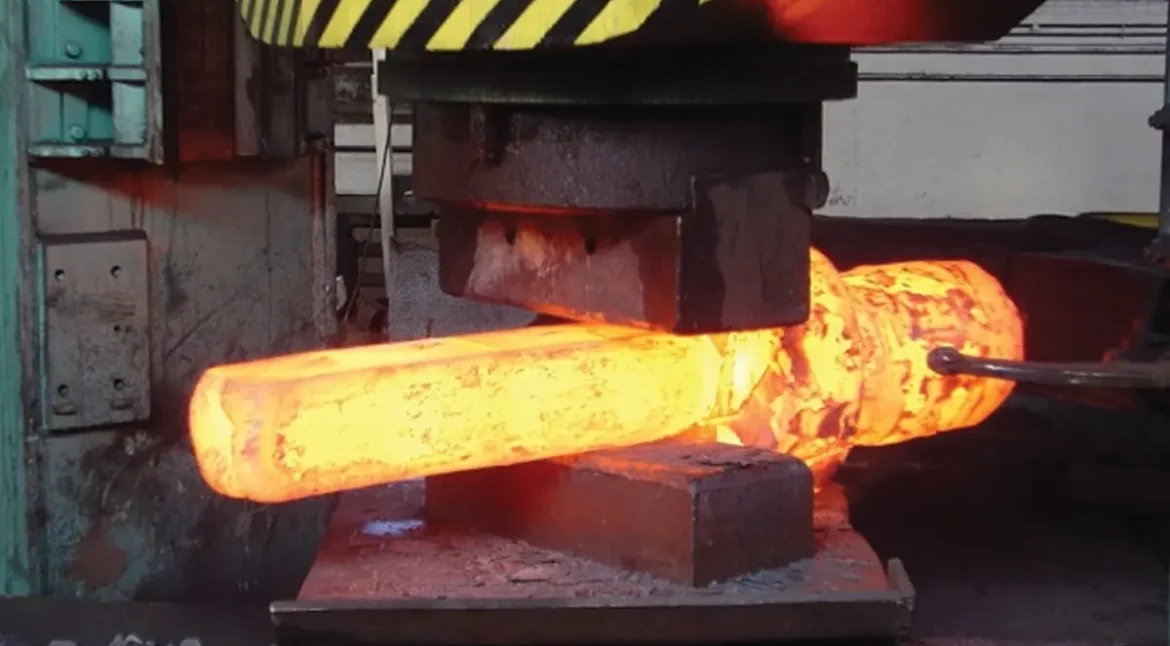
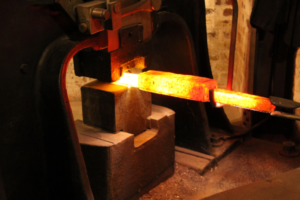
Open die forging, often referred to as free forging, is a manufacturing process in which heated metal is compressed between flat or simply shaped dies that do not completely enclose the workpiece.
Unlike closed die forging, the metal is free to flow outward during compression. Skilled operators manipulate, rotate, and reposition the workpiece throughout the process until the desired shape is achieved.
This repeated deformation refines the internal grain structure of the material, resulting in improved strength, toughness, fatigue resistance, and overall mechanical performance.
Materials Used in Open Die Forging
Open die forging is compatible with a wide range of engineering metals, including:
- Carbon Steel
- Alloy Steel
- Stainless Steel
- Aluminum Alloys
- Titanium Alloys
- Copper Alloys
- Nickel-Based Alloys
The material selection depends on the application’s strength requirements, operating environment, corrosion resistance, and temperature conditions.
Step-by-Step Open Die Forging Process
1. Material Selection
The process begins by selecting the appropriate metal based on the component’s mechanical and performance requirements.
2. Billet Preparation
Raw material is cut into billets, ingots, or blocks of suitable dimensions for the forging operation.
3. Heating
The billet is heated in a controlled furnace until it reaches the proper forging temperature. Heating improves ductility, allowing the material to deform without cracking.
4. Initial Forging (Upsetting)
The heated billet is compressed to increase its cross-sectional area and refine the internal grain structure.
5. Drawing and Shaping
The workpiece is repeatedly compressed, rotated, and elongated using forging presses or power hammers until the required dimensions are achieved.
6. Secondary Forging Operations
Depending on the component design, additional operations may include:
- Punching
- Piercing
- Mandrel forging
- Hole formation
- Section reduction
These operations help produce more complex geometries while maintaining structural integrity.
7. Cooling and Heat Treatment
After forging, the component is cooled under carefully controlled conditions. Heat treatment may be applied to further enhance mechanical properties such as hardness, toughness, and wear resistance.
8. Machining and Inspection
Final machining is performed to achieve precise dimensions, surface finishes, and customer specifications. Comprehensive inspections verify quality, dimensional accuracy, and material integrity before delivery.
Equipment Used in Open Die Forging
The forging process utilizes specialized equipment depending on the size and complexity of the component.
Hydraulic Forging Presses
Hydraulic presses apply slow, controlled pressure, making them ideal for forging large and heavy components with high precision.
Mechanical Forging Presses
Mechanical presses provide faster production rates and are commonly used for medium-sized forged parts.
Power Hammers
Power hammers deliver repeated impact forces, allowing operators to shape metal efficiently during forging operations.
The choice of equipment depends on production volume, material type, and component size.
Advantages of Open Die Forging
Open die forging offers numerous benefits for industrial manufacturing:
Exceptional Mechanical Strength
The forging process refines the metal’s grain flow, producing stronger and more durable components than many other manufacturing methods.
Improved Structural Integrity
Forging minimizes internal voids, porosity, and defects, resulting in reliable components capable of handling demanding operating conditions.
Suitable for Large Components
Open die forging is ideal for manufacturing oversized parts that cannot easily be produced using closed die forging.
Lower Tooling Costs
Since simple dies are used, tooling expenses are significantly lower than those associated with impression die forging.
Flexible Manufacturing
The process accommodates custom sizes, low-volume production, and unique component geometries.
Excellent Fatigue Resistance
The improved grain structure enhances resistance to cyclic loading, extending component service life.
Limitations of Open Die Forging
While highly versatile, open die forging has certain limitations:
- Lower dimensional accuracy compared to closed die forging
- Additional machining is typically required
- Surface finish is generally rough after forging
- Production quality depends on operator expertise
- Less suitable for complex high-volume precision components
Despite these factors, open die forging remains the preferred solution for many heavy-duty applications.
Applications of Open Die Forging
Open die forging is widely used across industries requiring high-strength structural components.
Aerospace Industry
- Landing gear components
- Structural shafts
- Aircraft forgings
Oil and Gas Industry
- Pressure vessel components
- Flanges
- Drill collars
- Valve bodies
Power Generation
- Turbine shafts
- Generator rotors
- Large forged rings
Mining Industry
- Crusher shafts
- Heavy-duty rollers
- Wear-resistant components
Heavy Machinery
- Hydraulic cylinders
- Forged blocks
- Gear blanks
- Machine shafts
- Industrial rollers
Why Choose Thank You America LLC?
At Thank You America LLC, we manufacture high-quality open die forged components using advanced forging technology, precision engineering, and rigorous quality control procedures. Our experienced team delivers custom forging solutions designed to meet demanding industrial specifications while ensuring consistent performance, durability, and reliability.
Whether you require large forged shafts, rings, cylinders, or custom-engineered components, we are committed to providing dependable forging solutions that support your operational success.
Conclusion
Open die forging continues to be one of the most effective manufacturing methods for producing large, high-strength metal components. Its ability to improve grain structure, eliminate internal defects, and manufacture custom-sized parts makes it indispensable across aerospace, power generation, oil and gas, mining, and heavy engineering industries.
By partnering with Thank You America LLC, businesses benefit from reliable open die forging solutions engineered for strength, durability, and long-term performance.
Frequently Asked Questions (FAQs)
What is open die forging?
Open die forging is a metal forming process where heated metal is compressed between flat or simple dies that do not fully enclose the workpiece, allowing it to be shaped into large, durable components.
What materials are commonly used in open die forging?
Common materials include carbon steel, alloy steel, stainless steel, aluminum alloys, titanium, copper alloys, and nickel-based alloys.
What are the advantages of open die forging?
Open die forging offers improved grain structure, high mechanical strength, reduced internal defects, flexibility for custom sizes, lower tooling costs, and excellent fatigue resistance.
What industries use open die forging?
Industries including aerospace, oil and gas, mining, heavy machinery, construction, marine, rail, and power generation rely on open die forged components.
What products are manufactured using open die forging?
Typical products include shafts, rings, cylinders, rollers, gear blanks, hydraulic components, pressure vessel parts, flanges, and structural forgings.
What is the difference between open die forging and closed die forging?
Open die forging uses simple dies and is suitable for large custom components, while closed die forging uses precision dies to manufacture complex parts with tighter dimensional tolerances.
Why choose Thank You America LLC for open die forging solutions?
Thank You America LLC provides precision open die forging services backed by advanced manufacturing capabilities, experienced engineering, strict quality assurance, and customized solutions for demanding industrial applications.